Homeowners Love Smooth Stucco Walls (And What You Should Know Before Upgrading)

What Is Smooth Stucco?

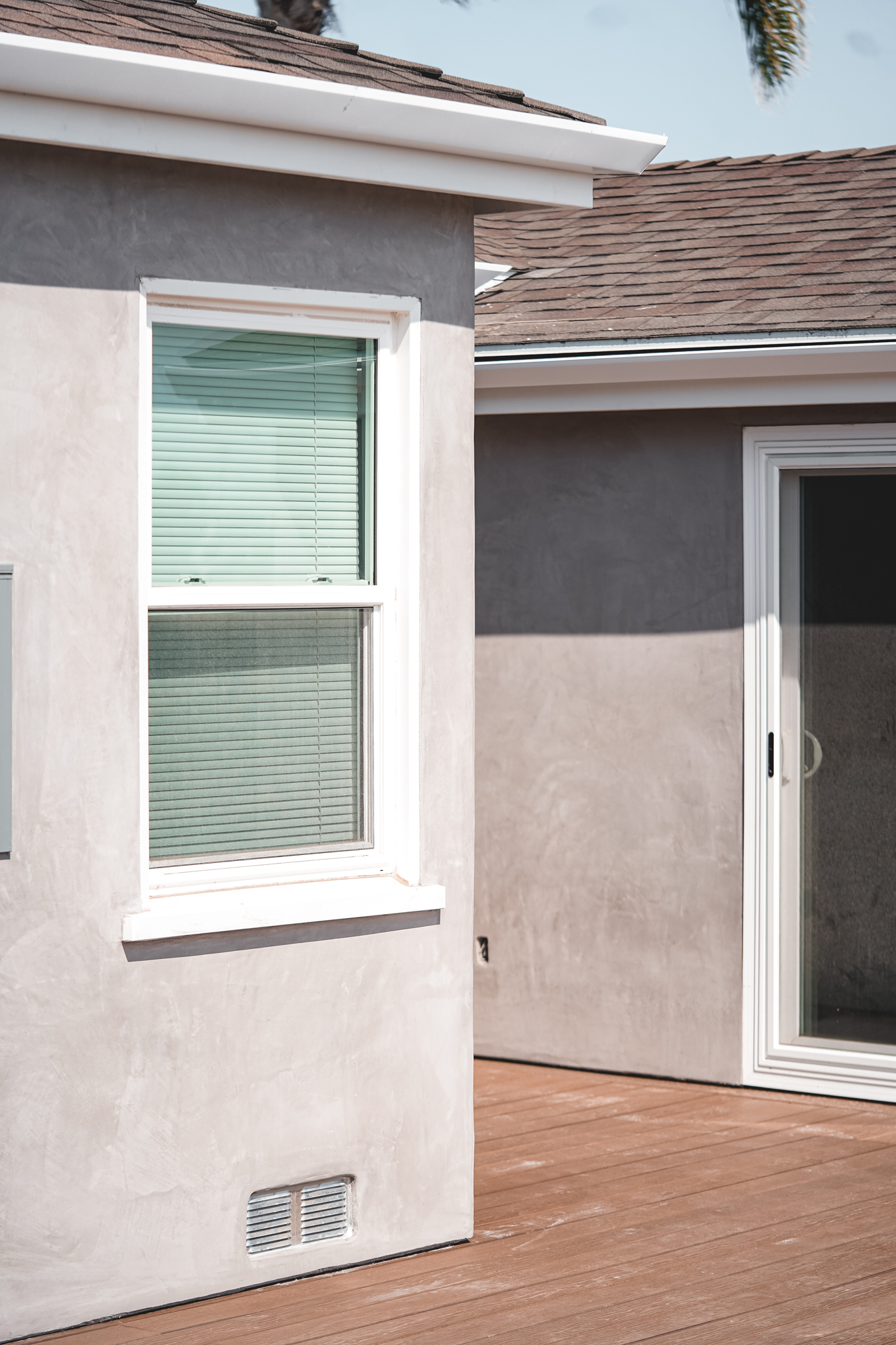
Smooth stucco is a fine-textured finish created using a cement-based plaster applied in multiple coats, then troweled by hand or machine to achieve a sleek, flat surface. The final result is a modern, seamless look that contrasts beautifully with wood, stone, or metal accents.

Compared to traditional sand or dash textures, offers a minimalist aesthetic that enhances architectural details and works well with both light and dark paint colors.


Why Homeowners Choose It

  1. Modern Curb Appeal
    Smooth stucco gives homes a clean, high-end look that instantly elevates the exterior. It’s a favorite in contemporary and mid-century modern designs throughout LA, Manhattan Beach, and Orange County.

  2. Versatile Design Compatibility
    It pairs well with modern aluminum windows, wood garage doors, and minimalist landscaping. Whether you’re aiming for Spanish-style warmth or a crisp, modern edge—smooth stucco can pull it off.

  3. Easy to Paint & Repaint
    The flat surface makes it easier to repaint over time, and because it lacks deep grooves, paint coverage is typically more uniform.

  4. Durable and Weather-Resistant
    When properly applied and sealed, smooth stucco can hold up well in coastal and inland climates, resisting heat, wind, and moisture.


What to Watch Out For

  • Hairline Cracks Are Common
    Due to its flat finish, small cracks can be more visible than with textured stucco. That’s why professional installation is key—using fiberglass mesh, elastomeric coatings, or acrylic additives can minimize future cracking.

  • Higher Labor Costs
    Smooth stucco requires more time, skill, and attention to detail than rougher textures. While it might cost more upfront, the visual impact and long-term payoff often make it worth it.

  • Maintenance Considerations
    Although relatively low-maintenance, smooth stucco should be pressure-washed once or twice a year and resealed every few years to maintain its appearance.


Smooth Stucco vs. Traditional Stucco: What’s the Difference?

Feature Smooth Stucco Traditional Stucco
Texture Flat, sleek Rough, sanded
Aesthetic Modern, high-end Rustic or traditional
Crack Visibility More visible Less visible
Labor Cost Higher Lower
Paint Application Easier May need more paint

Final Thoughts

Stucco walls offer the perfect mix of elegance and durability. They’re especially well-suited for Southern California homes, where modern design, resale value, and weather resistance all matter. If you’re thinking about updating your home’s exterior, might be the clean finish your walls—and curb appeal—are waiting for.

Looking to upgrade to smooth stucco? Contact us for a free consultation. We’ll help you explore finishes, color options, and budget-friendly ways to transform your home.

Want a shorter version for Instagram or an SEO landing page? Just let me know!

How to Take Care of of Spanish-Style Homes

How to Take Care of of Spanish-Style Homes

Spanish-style homes are known for their timeless beauty, featuring stucco walls, clay tile roofs, wrought-iron details, and arched doorways. While these elements add charm and character, they also require regular maintenance to preserve the home’s aesthetic and structural integrity. Here’s a comprehensive guide to maintaining the exterior of a Spanish-style home.

1. Stucco Care and Maintenance

Stucco is a defining feature of Spanish-style homes, providing a textured, earthy look. However, it can develop cracks over time due to weather conditions and settling.

  • Regular Inspection: Check for small cracks and repair them promptly to prevent moisture from seeping in.
  • Cleaning: Use a soft-bristle brush and a mixture of mild detergent and water to remove dirt and stains. Avoid pressure washing, as it can damage the stucco.
  • Painting and Sealing: If your stucco is painted, refresh the paint every 5–7 years with breathable masonry paint to prevent moisture retention.

2. Roof Maintenance for Clay Tiles

Clay tiles are not only a signature element of Spanish-style homes but also highly durable. However, they can crack under pressure.

  • Inspect for Cracks: Walk around your property and look for visible cracks or missing tiles. Use binoculars if necessary.
  • Gentle Cleaning: Clear debris, moss, and algae using a soft brush or low-pressure water spray.
  • Avoid Walking on Tiles: Clay tiles can break under heavy weight. If roof repairs are needed, hire a professional who specializes in Spanish-style roofing.

3. Preserving Wooden Features

Spanish-style homes often feature wooden doors, shutters, and beams that add warmth and contrast to the stucco.

  • Sealing and Staining: Reapply wood stain or sealant every few years to protect against sun and moisture damage.
  • Regular Cleaning: Wipe down wooden elements with a damp cloth and mild soap to prevent dust buildup.
  • Pest Control: Watch for termite activity, especially in exposed wooden beams and columns.

4. Wrought Iron Maintenance

Decorative wrought iron railings, gates, and window grilles enhance the home’s character but can be prone to rust.

  • Rust Prevention: Inspect for rust spots and remove them with a wire brush. Apply a rust-inhibiting primer before repainting.
  • Cleaning: Wipe with a damp cloth or mild soap solution to prevent dirt buildup.
  • Repainting: Every few years, apply a fresh coat of rust-resistant paint to maintain a polished look.

5. Landscaping and Courtyard Upkeep

Spanish-style homes often feature Mediterranean-style landscaping with drought-resistant plants and decorative courtyards.

  • Terracotta & Tile Cleaning: Sweep and wash terracotta patios and tile walkways to prevent moss and grime buildup.
  • Plant Selection: Choose succulents, bougainvillea, olive trees, and other drought-tolerant plants that complement the Spanish aesthetic.
  • Irrigation Management: Use a drip irrigation system to keep plants hydrated without overwatering.

6. Keeping Archways and Entryways Intact

Arched doorways, windows, and alcoves are key design elements in Spanish-style homes.

  • Check for Cracks: Look for signs of wear, particularly around curved archways where structural stress can occur.
  • Clean Tile Accents: If your home features decorative ceramic tiles, clean them with mild soap and a non-abrasive cloth.

7. Protecting Against Moisture and Sun Damage

Spanish-style homes are typically built in warm climates, making them susceptible to sun exposure and moisture retention.

  • Apply Sealants: Use masonry sealants on stucco walls to prevent water damage.
  • Install Awnings or Pergolas: These can help protect windows and doorways from excessive sun exposure.
  • Gutter Maintenance: Clean gutters regularly to prevent water damage and erosion around the foundation.

Final Thoughts

Caring for a Spanish-style home’s exterior involves regular inspections, gentle cleaning methods, and preservation techniques that enhance both its longevity and beauty. With proper maintenance, you can keep the architectural charm and historical elegance of your home intact for generations to come.

Need professional assistance? Reach out to experts who specialize in Spanish-style home restoration and maintenance to ensure your home stays in pristine condition.